

When we initially began poking around online gaming, the phrase “live casino” kept showing up, but its actual meaning was frequently concealed behind slick marketing https://lussuriocasino.eu/. Remove the hype, and a live casino simply bridges the digital interface of a site like Lussurio Casino with the real-world feel of a physical gaming floor. Instead of a random number generator dictating each hand or spin, a live casino streams a human dealer directly to your screen from a professionally equipped studio. You can watch every shuffle, every roulette spin, and every card dealt as it happens, which gives a level of openness that purely digital games sometimes are missing. The whole thing is designed to be social, too: you can talk with the dealer and occasionally with other players through a live chat window, reproducing the companionship of a real table without having to travel or follow a dress code.
How the Streaming Technology Fuels the Action
The fluid interaction at a live casino table depends on a sophisticated streaming setup running behind the scenes. High-definition cameras, typically set at multiple angles, capture every detail of the dealer’s movements—cutting the deck, the ball dropping into a roulette pocket. The video feed is encoded and broadcast using optical character recognition technology, which instantly converts physical actions and card values into digital data. For us players, that means the on-screen overlay (showing our balance, betting options, and game history) stays perfectly synchronized with the live video, even over a standard broadband connection. Studios typically have backup power supplies and redundant internet lines to keep the stream from cutting out at a critical moment—that kind of reliability is non-negotiable when real money is on the line.
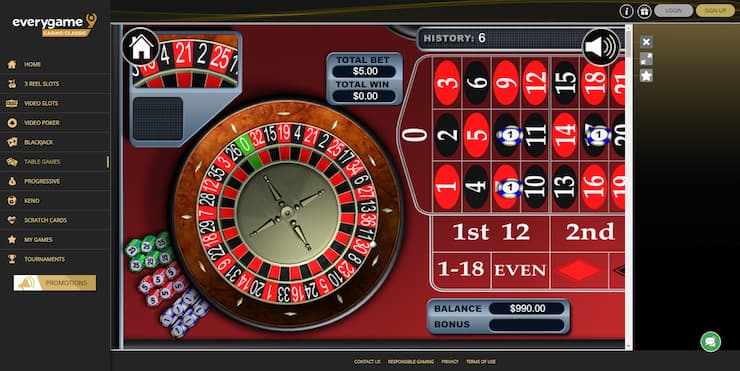
Beyond the cameras, the user interface is what makes the whole thing feel intuitive instead of overwhelming. The betting layout typically appears as a clean digital graphic overlaid at the bottom of the screen, so we can select chip values and place bets with a tap or click. On Lussurio Casino, the platform adjusts the stream quality dynamically based on our connection speed, which prevents buffering delays that might cause us to miss a betting window. Dealers are trained to function within this technical setup, using monitors that show them when bets are open and when the “no more bets” signal triggers. That mix of human skill and digital precision keeps the game moving naturally, without the awkward pauses that can disrupt the flow in a less polished setup.
Protection, Fairness, and Controlled Play Tools
Confidence is the bedrock of any live casino journey, and the industry has developed strong systems to ensure every game we play is equitable and open. The real nature of live casino games offers a intrinsic level of safety, because we can observe the dealer mix the cards or spin the wheel with our own eyes, wiping out concerns about rigged algorithms. Offstage, overseers in locations like Malta, the UK, and Gibraltar license and audit live casino companies, checking that their gear, processes, and random number generators fulfill stringent norms. The studios themselves get routine inspections, and card-handling procedures are crafted to prevent any chance of dealer collusion or mistakes. For us, that supervisory oversight signifies we can concentrate on savoring the game, assured that the results are truly unpredictable and the operator is maintained to lofty benchmarks.
Just as vital as justice is the set of safe gambling features that reputable live casinos offer to all users. You can usually establish deposit limits, loss limits, and session time reminders straight from your account options, assisting you remain in charge of your spending and gaming behaviors. The live dealer environment adds a unique angle to responsible gaming because the personal appearance renders the progress of time seem more real than in wholly digital games. Many platforms also provide reality check messages that appear at consistent periods, displaying you how lengthy you’ve been betting and how much you’ve bet during the period. Availability to transaction records and self-exclusion alternatives is common, and customer support groups are prepared to aid players who might want support controlling their gaming. These instruments reflect a wider industry dedication to keeping live casino amusement a safe and pleasurable pastime.
Betting Options and Table Limits Detailed
When you enter a live casino lobby, one of the first things you’ll do is pick a table with betting limits that fit your budget and style. Tables usually indicate their minimum and maximum bet amounts right on the thumbnail before you even enter the stream, and those limits can vary a lot between tables of the same game. A standard live blackjack table might accept wagers from one dollar up to five hundred, while VIP or high-roller tables can begin at fifty dollars and go up to several thousand. This tiered setup enables you to discover a comfortable entry point whether you’re playing casually for fun or coming in with a more serious bankroll plan. It’s always smart to verify the table limits before you sit down, because in the heat of the moment it’s easy to blow past your intended budget.
Inside each game, the range of betting options provides strategic depth and maintains things interesting session after session. In live roulette, you can set inside bets on specific numbers or small groups of numbers, which payout more but hit less often, or outside bets on broader categories like red/black, odd/even, and columns, which provide you more frequent but smaller wins. Live blackjack provides side bets like Perfect Pairs or 21+3, which settle independently of the main hand and can introduce an extra jolt of anticipation to each round. Knowing these options before you sit down aids you to make smarter decisions and control your money better. The digital interface usually presents all available bets and their payouts clearly, so you never have to learn complicated odds tables before you start.
The Human Element: Table Staff and Live Hosts
What truly distinguishes a live casino different from standard digital table games is the skilled staff operating the tables. These dealers aren’t just button-pushers; they act as performers who undergo rigorous training to nail the rules of their game and build the on-camera charm needed to connect with a remote audience. You can notice their skill in the way they manage cards or rotate the wheel with a skilled, fluid motion that builds trust in the honesty of the game. Beyond the operational side, they are trained to read the chat, address player questions out loud, and keep a warm, welcoming vibe even during calm stretches or when managing demanding players. That human connection transforms a simple betting session into a genuine social experience that feels surprisingly close to walking into a physical casino floor.
The hiring and training process for these professionals is a lot more intensive than many people realize. Most table staff hail from hospitality or traditional casino jobs, and they go through weeks of specialized instruction before they ever appear on a live stream. The training covers game rules, of course, but also camera awareness, voice control, and the ability to balance running the physical table while watching the digital interface that tracks bets. You’ll also encounter game presenters who specialize in game show-style live casino titles, adding an extra burst of energy and theatrical flair. These folks often come from backgrounds in TV or performance, and their job is to lead us through bonus rounds and interactive features with the same polish you’d anticipate from a broadcast production.
Mobile Casino Gaming: Playing Anywhere
The move to mobile gaming has been one of the most significant shifts in the live casino world, and today you can access pretty much the entire live casino catalog from a smartphone or tablet. Platforms like Lussurio Casino have dedicated resources into optimizing their live dealer streams for smaller screens, so the betting interface stays usable without covering up the video. Touch controls let you pick chip values, place bets on the table layout, and chat with the dealer using gestures that come naturally on a mobile device. The stream quality adapts on its own to your cellular or Wi-Fi connection, and you can toggle between landscape and portrait mode based on the game and your preference. That flexibility means you can fit in a few hands of blackjack during a commute or spin the roulette wheel while sitting on the sofa, with no loss in quality.
Developers have also launched mobile-specific features that improve the live casino experience more convenient on portable devices. Some games provide a simplified betting layout that opens up when you tap a specific area, so you can make precise wagers on a smaller screen without accidentally misclicking. Notifications can notify you when a new game round is about to start or when a seat becomes available at a full table, letting you multitask without missing the action. The social side of live casino, including the chat function, is completely maintained on mobile, and the keyboard interface often turns typing messages quicker and more convenient than on a desktop. As mobile hardware keeps improving with sharper screens and faster processors, the gap between desktop and mobile live casino experiences has decreased to the point where many of us now prefer the convenience of playing on a handheld device.
Favorite Live Casino Games to Enjoy
The range of games in a live casino has grown far beyond the old staples, providing us with plenty of choices for different tastes and skill levels. Classic table games are still the core of any live casino lobby, featuring live blackjack, live roulette, and live baccarat drawing the biggest crowds. In live blackjack, you take a seat at a virtual table with up to six other players, choosing whether to hit, stand, or double down while the dealer handles the cards in real time. Live roulette provides the hypnotic sight of a physical wheel and ball, featuring multiple camera angles catching the ball as it lands in a numbered pocket. Live baccarat, once reserved for high-roller rooms, is now accessible to all, with the dealer working the shoe and calling out results as the cards are dealt according to fixed drawing rules.
In addition to these classics, we’ve seen a surge of creative game show-style titles that blend board game elements, TV entertainment, and casino betting. Games like Dream Catcher, Crazy Time, and Monopoly Live employ big spinning wheels, augmented reality graphics, and charismatic hosts that make you feel like you’re on a TV game show rather than at a casino table. These titles frequently include multiple bonus rounds and multiplier segments that can result in big payouts, and the visual spectacle renders them especially appealing to casual players. Many live casinos also offer niche table games like live poker variants, Sic Bo, and Dragon Tiger, meaning there is always something new to explore regardless of the type of games you like.
The Studio Setup and Streaming Excellence
The physical spaces where live casino streams are produced are custom-designed studios intended to deliver broadcast-quality video 24/7. These facilities are commonly found in specialized production centers—Malta, Latvia, and the Philippines are among the top choices for major live casino providers. Enter one of these studios and you’d see a tightly controlled environment where lighting, sound, and camera angles are carefully tuned to create a vibe that’s both premium and realistic. The tables are custom-built to accommodate the camera rigs and monitoring gear without losing the conventional style of a casino table. Background details like design accents, company logos, and even the ambient music are selected with care to support the theme and give you the impression like you’re playing at a high-end gaming room.

Streaming quality goes beyond the visuals to cover the whole working system that keeps streams running smoothly. Each table is watched over by a table supervisor who supervises the dealers, verifies game fairness, and can step in right away if any technical or operational problem arises. Dealers rotate in multiple shifts throughout the day to maintain high energy and ensure stream quality never drops because of tiredness. The studios also have focused support crews monitoring the encoding hardware, internet connections, and audio feeds in immediate time. For us players, that dedication in production quality means a consistently polished experience where we can focus on the game instead of being bothered by technical issues or unprofessional display.
Grasping the Purpose of Optical Character Recognition
Optical character recognition, or OCR, is the invisible workhorse that maintains every live casino game functioning well from a data standpoint. The tech analyzes the video feed in real time, picking out specific visual events, like which card was drawn from the shoe or which number the roulette ball landed on. It then translates that visual info into digital data the gaming platform can process instantly, updating our on-screen balance and finalizing bets without the dealer doing a thing. We rarely notice OCR doing its job, but it’s why game results pop up on our screen a split second after the physical action happens. Without it, the whole live casino experience would appear sluggish and vulnerable to human error in reporting results.
OCR accuracy has advanced a lot over the years, and today’s systems can read card values and roulette outcomes with near-perfect reliability even under tricky lighting. Cameras are adjusted to zero in on specific table zones, like the card scanning area where the dealer briefly places each drawn card face-up. In roulette, sensors and cameras coordinate to pinpoint the exact pocket where the ball rests, comparing the visual data with physical sensors built into the wheel. For us players, this tech adds an extra layer of trust, because we can see with our own eyes that the result on the digital overlay matches exactly what happened on the physical table. That transparency is a big reason why live casino games have gained popularity so widely with players who were once doubtful of purely digital table games.
FAQ
What exactly is a live casino versus regular online casino games?
A live casino broadcasts real dealers from a professional studio right to your device in real time, so you can watch every card dealt and every wheel spin as it happens. Unlike standard online casino games that use random number generators to decide outcomes, live casino games depend on physical equipment and human dealers. That creates a transparent, social experience where you can chat with the dealer and other players through live chat, bridging the gap between digital convenience and the authentic feel of a land-based casino floor.
Do I need special software or a fast internet connection to play live casino games?
Most modern live casino platforms run right in your web browser with no extra software downloads needed, though some operators offer dedicated mobile apps for a better ride. A stable broadband connection with at least 2-3 Mbps is usually enough for standard-definition streams; high-definition feeds might need faster speeds. The streaming tech automatically adjusts video quality based on your available bandwidth, so occasional dips in connection speed shouldn’t stop you from playing.
Is it possible to interact with the dealer and other players during a live casino session?
Absolutely, interaction is one of the essential features of a live casino. A live chat function is built into the game interface, so you can type messages that the dealer reads and responds to out loud during the game. Dealers are schooled to acknowledge players by name, answer questions about the game, and keep a friendly, engaging vibe throughout the session. Some platforms also allow limited player-to-player chat, though it’s usually moderated to keep things respectful for everyone at the table.
Are live casino games truly fair and how can I verify this?
Live casino games offer a high degree of transparency because you can physically watch the dealer handle the cards or spin the roulette wheel, which eliminates worries about hidden algorithms. Licensed operators are regulated by recognized gambling authorities that run regular audits of the studios, equipment, and dealing procedures. Optical character recognition technology ensures the digital results on your screen match exactly what happened on the physical table, adding a layer of verifiable fairness that purely digital games can’t match.
Which games are available in a typical live casino lobby?
A common live casino lobby offers a wide mix of games to suit different styles and skill levels. The core lineup features live blackjack, live roulette, and live baccarat, often in multiple variants with different table limits. Beyond these classics, you’ll find game show-style titles like Dream Catcher and Crazy Time, with spinning wheels and bonus rounds, plus niche options like live poker variants, Sic Bo, and Dragon Tiger. The selection keeps growing as providers create new formats.
Can I play live casino games on my mobile phone or tablet?
Absolutely, mobile compatibility is now common across all major live casino platforms. The games are tailored for smaller screens with touch-friendly betting interfaces that let you set stakes, adjust chip values, and use the chat function with natural gestures. Stream quality adapts automatically to your connection type, whether you’re on Wi-Fi or cellular data. The full range of live casino games is commonly available on mobile, and the experience is built to be just as captivating and functional as playing on a desktop.